
- empe
- 2026-06-22
- No Comments
Resources
Uganda's TB Progress Highlights a Critical Lesson: Diagnostics Need Strong Health Systems
Uganda has emerged as one of the success stories in tuberculosis (TB) control, achieving significant improvements in case detection and treatment outcomes over the past decade. These gains have been supported by a combination of enhanced diagnostic capacity, strengthened public health programs, community based interventions, and international funding support. However, recent reports suggesting that reductions in development assistance are affecting frontline TB services raise important questions about the sustainability of these achievements.
The situation in Uganda illustrates a fundamental reality of TB control: diagnostics alone are not enough.
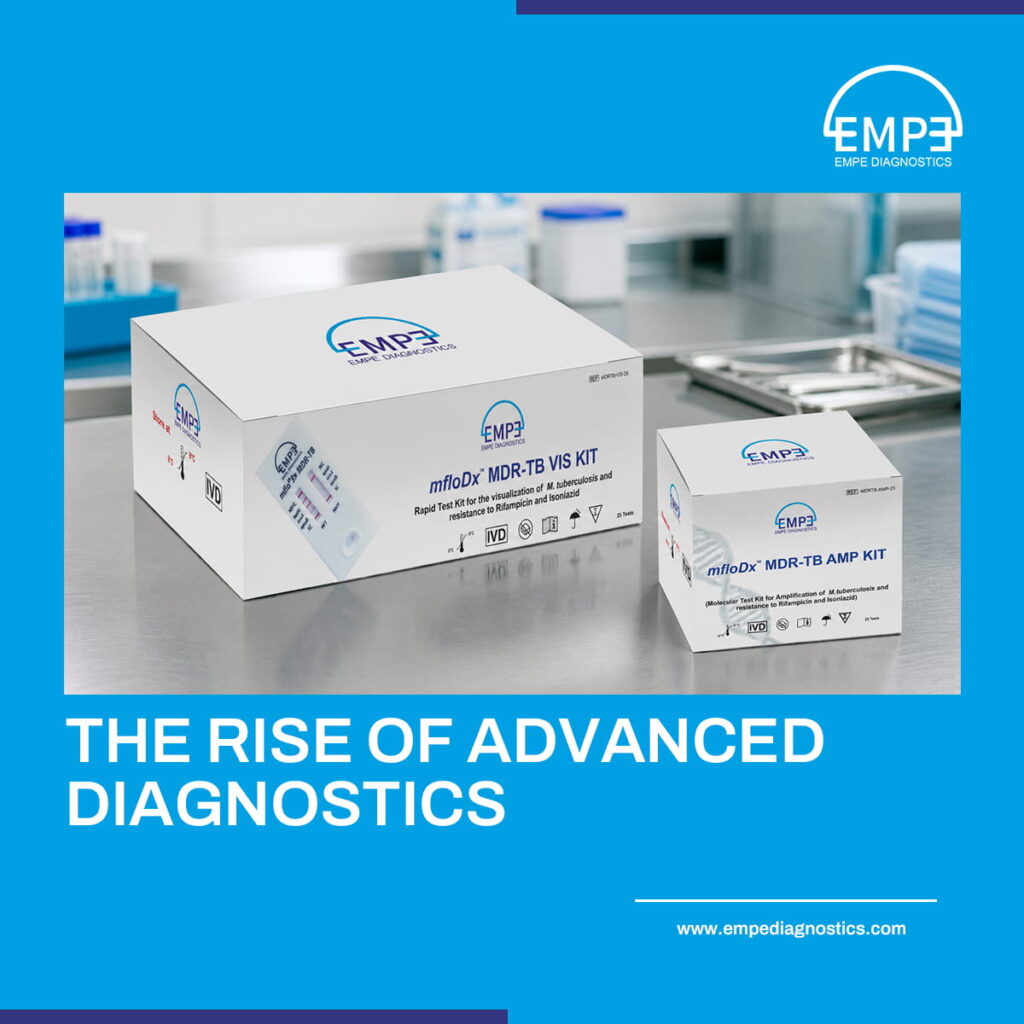
The Rise of Advanced Diagnostics
Over the past several years, substantial progress has been made in expanding access to advanced TB diagnostic technologies. These innovations have undoubtedly improved diagnostic accuracy and reduced delays in care:
› Rapid molecular tests › Digital radiology
› AI assisted chest X ray screening › Drug resistance detection platforms
Yet, the success of any diagnostic technology ultimately depends on the healthcare system in which it operates.
Connecting the Dots: Systems Over Technology
A highly sensitive molecular test can only diagnose patients who are successfully identified and referred for testing. To ensure individuals with symptoms enter the diagnostic pathway, we rely heavily on:
› Community health workers
› Outreach teams
› Contact tracing programs
› Active case-finding initiatives
Similarly, treatment support systems are essential for ensuring that diagnosed patient’s complete therapy and achieve successful outcomes.
“Innovation should not be measured solely by technological sophistication. True innovation includes developing solutions that are accessible, affordable, and integrated into real world healthcare delivery systems.”
The Hidden Impact of Funding Cuts
This is where funding cuts can have far reaching consequences. When resources decline, the entire system faces a domino effect:
| 📉 |
Reduced Outreach
When community outreach programs are reduced, fewer individuals may be screened.
|
| 🔗 |
Weakened Follow-up
When patient follow-up systems weaken, treatment interruptions may increase.
|
| 🔍 |
Decreased Surveillance
When surveillance activities decline, opportunities for early detection of outbreaks and drug-resistant TB may be missed.
|
A Roadmap for High-Burden Countries
The challenge is particularly relevant in high burden countries where healthcare resources are already stretched. As governments and international partners seek sustainable approaches to TB elimination, investments must be balanced across the entire continuum of care, from community awareness and screening to diagnosis, treatment, and long term monitoring.
The Uganda experience also provides an important lesson for the diagnostics industry. Innovation should not be measured solely by technological sophistication. True innovation includes developing solutions that are:
› Accessible
› Affordable
› Integrated into real world healthcare delivery systems
For manufacturers, researchers, policymakers, and global health organizations, the path forward requires a dual focus: continuing to advance diagnostic technologies while simultaneously strengthening the healthcare infrastructure that supports their use.
The Path Forward
The global TB community has made significant progress toward improving access to rapid and accurate diagnosis. Preserving these gains will require sustained commitment to the frontline healthcare workers and community programs that connect patients to care.
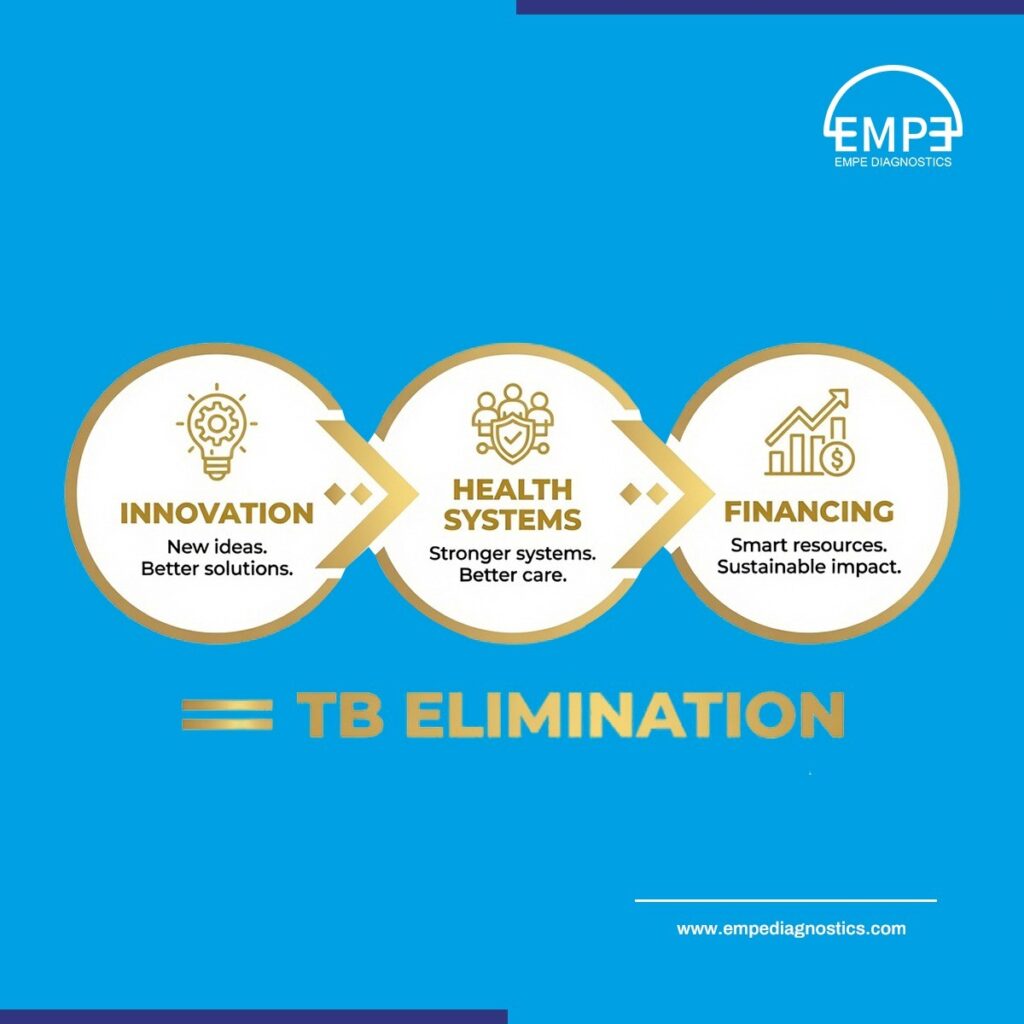
The fight against TB will not be won by technology alone. It will be won through the effective integration of:
› Innovation
› Healthcare systems
› Sustainable financing
Uganda’s experience serves as a timely reminder that successful TB control depends on all three.
📖 Read the Original Article
devex.com — Uganda’s TB gains face a test as aid cuts hit frontline care
🔬 Explore EMPE’s TB Diagnostics
empediagnostics.com — Rolling Circle Amplification (RCA) TB diagnostic tests